
Managing Pubic Symphysis Pain
Christie @ Divine Child Yoga | FEB 15, 2025
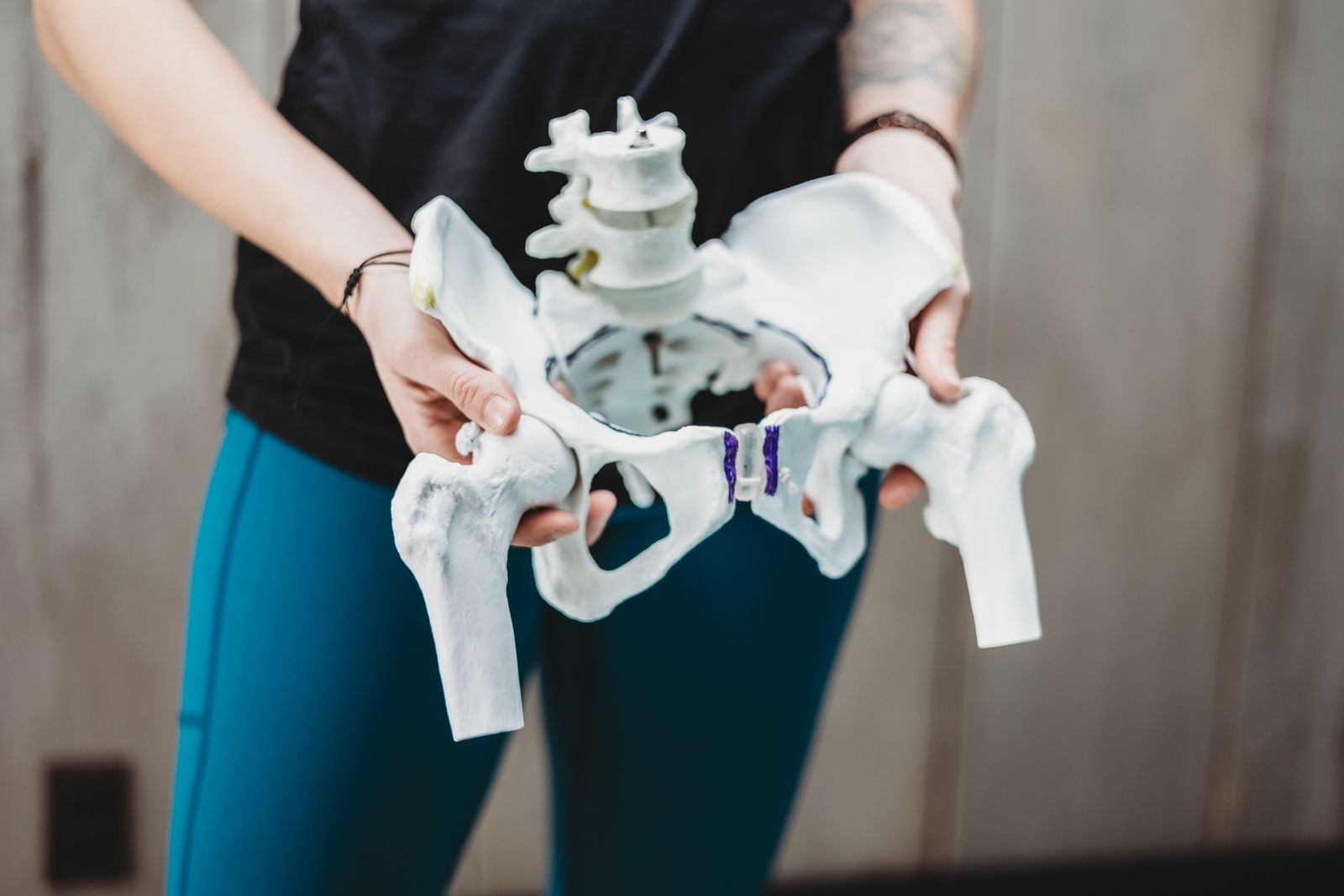
Pubic symphysis pain (also known as symphysis pubis dysfunction or SPD) is a common issue during pregnancy and postpartum, caused by increased laxity in the pelvic joints. This pain can feel sharp or achy in the front of the pelvis and may worsen with certain movements.
The good news? There are ways to manage it by avoiding specific exercises and incorporating stabilizing movements that support the pelvis.
What to Avoid with Pubic Symphysis Pain
Some exercises and yoga poses can put extra strain on the pubic symphysis, worsening discomfort. These include movements that involve single-leg weight-bearing, deep stretches, or wide stances.
Here are a few things to be mindful of:
- Unilateral Movements (e.g., Rolling Lunges or Warrior III)
These movements place uneven pressure on the pelvis. Try to stick with exercises that keep both feet grounded. - Wide-Legged Squats or Goddess Squats
Keep your feet no wider than hip-width apart, and avoid turning your toes out too much. This helps reduce strain on the pubic joint. - Asymmetrical Poses (e.g., Half Pigeon, Deep Lunges)
These can destabilize the pelvis. Modify with seated stretches or supported versions of these poses. - High-Impact Activities (e.g., Running, Jumping)
High-impact movements can jolt the pelvis and worsen pain. Focus on low-impact, controlled exercises instead.
What to Do to Stabilize and Relieve Pubic Symphysis Pain
Stabilizing the pelvis with targeted exercises can reduce pain and improve function. The goal is to strengthen the muscles around the pelvis—especially the glutes, deep core, and inner thighs—while avoiding excessive strain.
Here are some safe and effective options:
- Bridge Pose (Setu Bandhasana)
A gentle way to strengthen the glutes and core without placing pressure on the pubic bone. Keep the movement small and controlled.
How to do it: Lie on your back with feet hip-width apart, knees bent. Press into your feet to lift your hips just a few inches off the ground. Lower slowly and repeat. Use a pillow or yoga block under hips for support. - Cat-Cow (Marjaryasana-Bitilasana)
This helps release tension in the lower back and pelvis while gently engaging the core.
How to do it: Start on hands and knees. Inhale to drop your belly and lift your head and tailbone (cow), then exhale to round your spine (cat). - Modified Low Lunge (Anjaneyasana)
Use blocks for support and keep the stance narrow. Avoid sinking deeply into the stretch—focus on length and stability. - Side-Lying Leg Lifts
Great for targeting the glutes and improving pelvic stability.
How to do it: Lie on your side with legs stacked. Lift the top leg slowly, then lower with control. - Squats (With Modifications)
Keep your feet parallel and no wider than hip-width. Focus on small, controlled movements, engaging your glutes as you come up.
Pro tip: Use a chair or wall for extra support.
Bonus Tips for Managing Pubic Symphysis Pain
- Support Your Pelvis: Consider using a pregnancy or postpartum support belt for added stability.
- Mind Your Posture: Avoid standing on one leg (e.g., when getting dressed) or sitting cross-legged for long periods.
- Take It Slow: Always listen to your body and avoid movements that trigger pain.
With a few mindful adjustments and supportive exercises, you can reduce pubic symphysis pain and keep moving safely through pregnancy and beyond. Remember, small changes can make a big difference!
XO, Christie🩵
Christie @ Divine Child Yoga | FEB 15, 2025
Share this blog post